
The ABCs of Post-Surgical Recovery
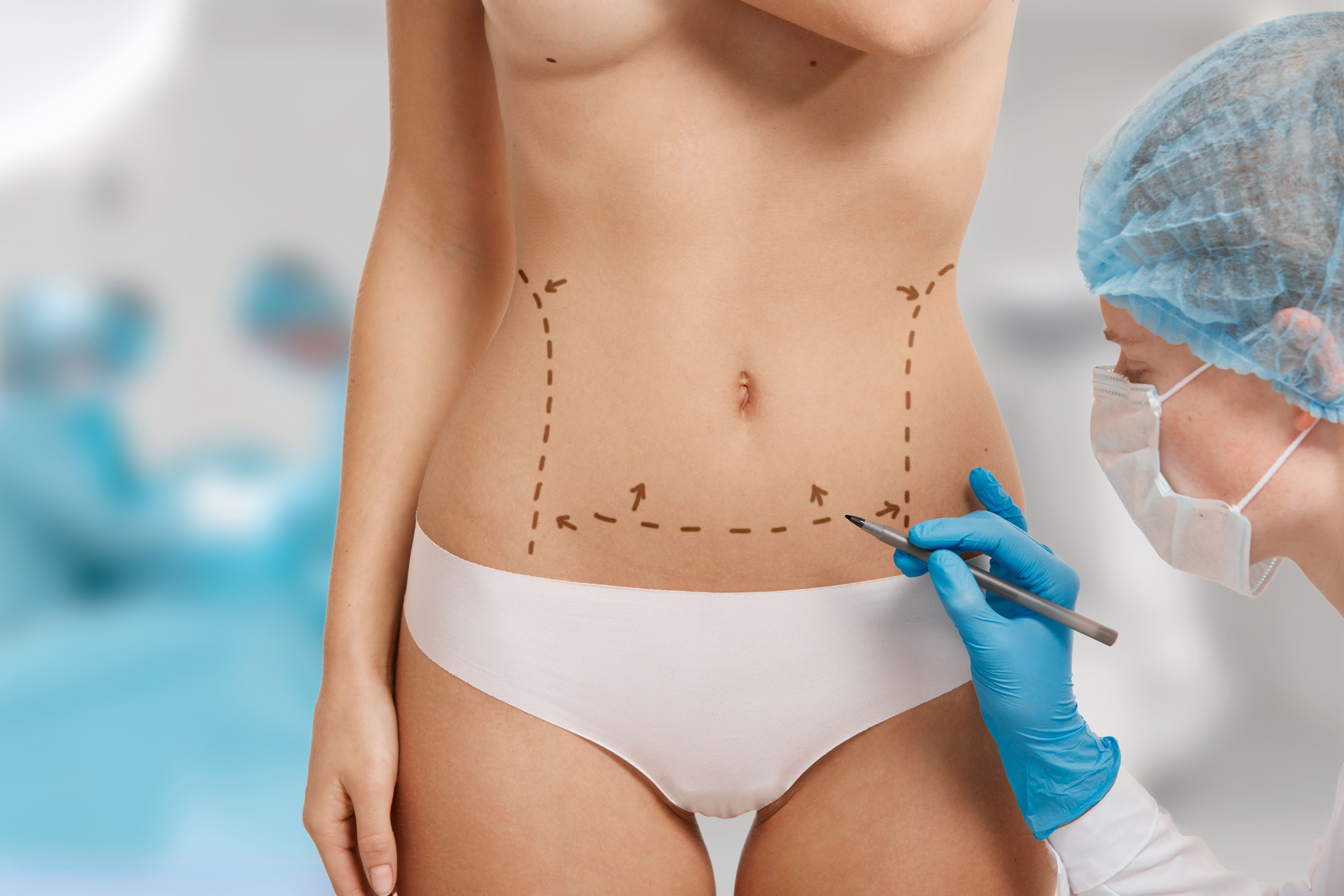
The ABCs of Post-Surgical Recovery
A gentle guide to help you heal with confidence
Recovering from plastic surgery is a journey—one that becomes smoother when you know what to expect and how to care for yourself. The first few days are crucial: your body begins healing, adjusting, and reshaping itself. Treating yourself with patience, following medical instructions, and honoring your limits will make a meaningful difference in your results and comfort.
Your Day-by-Day Recovery Timeline
Days 1–3: Rest, hydrate, and let your body begin healing
During these first days, it’s completely normal to experience swelling, fatigue, and some manageable discomfort. You’ll likely need help getting around, and that’s okay.
Focus on staying hydrated and meeting your daily protein needs—protein is essential for tissue repair and recovery.
Days 4–6: Bruising appears, swelling may increase
Bruising often becomes more visible during this stage, and swelling can peak. Trust the process—your body is working hard behind the scenes.
Continue with gentle, mindful movement and avoid pushing yourself. Even at rest, your body is actively healing and adapting.
Days 7–10: Visible progress and more mobility
Great news—many patients can say goodbye to drains around this time.
You may also have your first follow-up appointment, where sutures or drains are removed. Pain typically decreases, and moving becomes easier. Still, don’t rush. Listen to your body and follow your surgeon’s guidance closely.
Essential Care Tips During the First Week
Medications
Take every dose exactly as prescribed by your surgeon.
Pro tip: Set alarms so you never miss a dose.
Relative Rest
Avoid strenuous activity, but do incorporate gentle movement—such as short walks to the bathroom—to support circulation and help prevent blood clots.
Light, Nutritious Meals
Choose meals rich in protein, fruits, and vegetables. This is not the time for dieting—your body needs
energy and nutrients to heal efficiently.
Stay Hydrated
Water helps reduce swelling, supports healthy digestion, and prevents post-surgical constipation.
Compression Garments or Bandages
Wear them 24/7 unless your surgeon tells you otherwise. They help control swelling and promote optimal healing.
Hygiene
If cleared by your doctor, take a daily warm shower using gentle soap. Use a shower chair or bench for support and avoid heavy steam.
Always dry your incisions thoroughly and gently—no rubbing.
Warning Signs You Should Never Ignore
Seek immediate medical attention if you experience:
Fever above 38°C (100.4°F)
Severe pain not relieved by medication
Redness, warmth, pus, or unusual odor at the incision site
Bright-red bleeding or sudden increase in drainage
Chest pain or difficulty breathing
Small Tips That Make a Big Difference
Alternate Your Pain Medication
Example schedule:
11 am: Painkiller 1
3 pm: Painkiller 2
7 pm: Painkiller 1
11 pm: Painkiller 2
3 am (optional): Rescue medication, if prescribed
This rotation helps you stay ahead of the pain and avoid sudden spikes.
Pro tip: Apps or alarms can keep you on track.
Managing Bruising
Apply arnica gel to visible areas (like the arms) to help minimize discoloration.
Avoid sun exposure, as UV rays can darken bruises and cause longer-lasting pigmentation.
Post-Surgical Constipation
If you haven’t had a bowel movement after 2 days, try natural options first:
orange juice, fresh fruit, prunes, yogurt, milk, or coffee (only if approved by your surgeon).
If these don’t help, ask your doctor about gentle laxatives.
A Final Note of Encouragement
Healing is happening on the inside and the outside. Be patient. Be kind to yourself. Celebrate each small improvement—you’re moving forward every day.